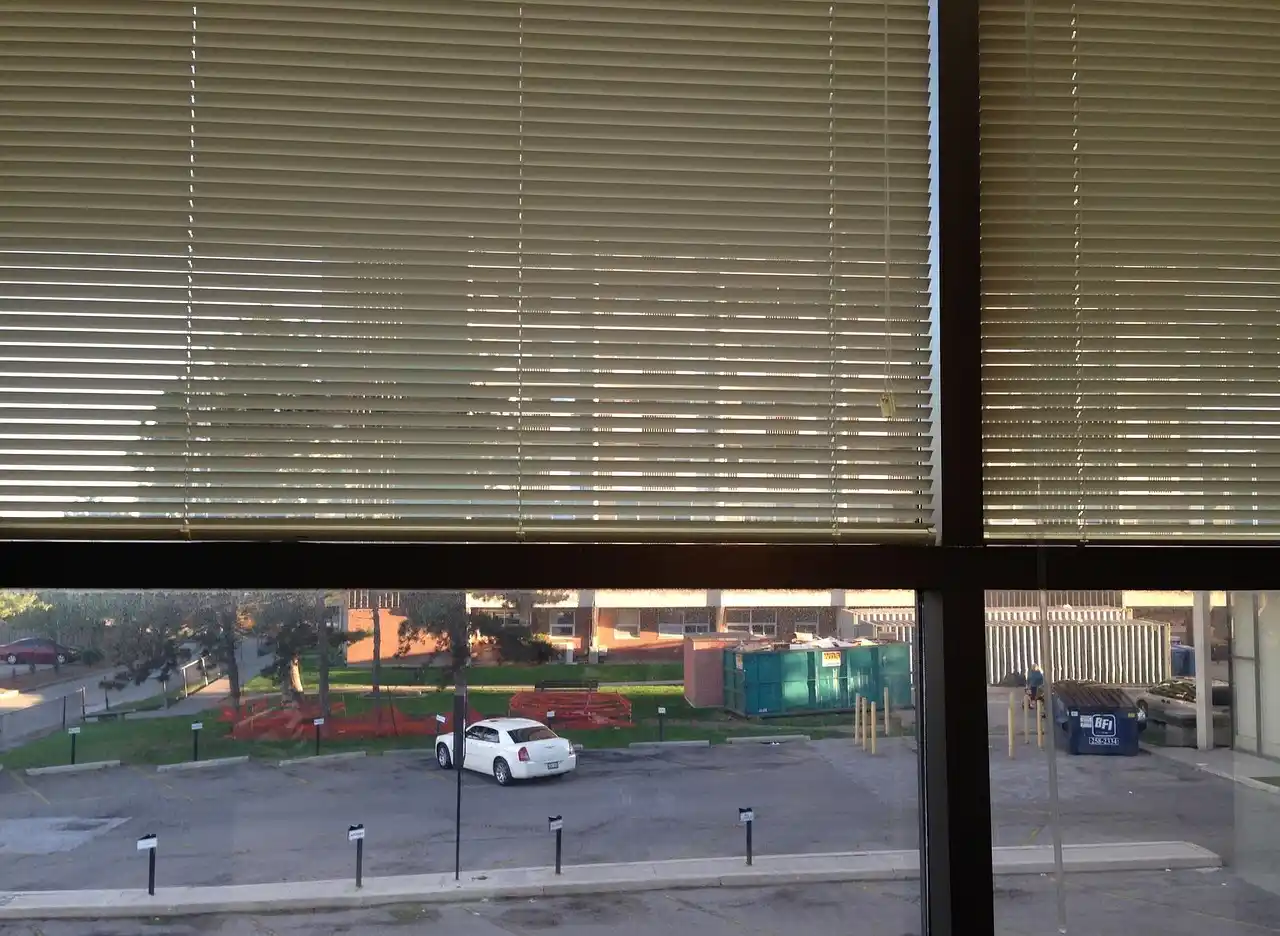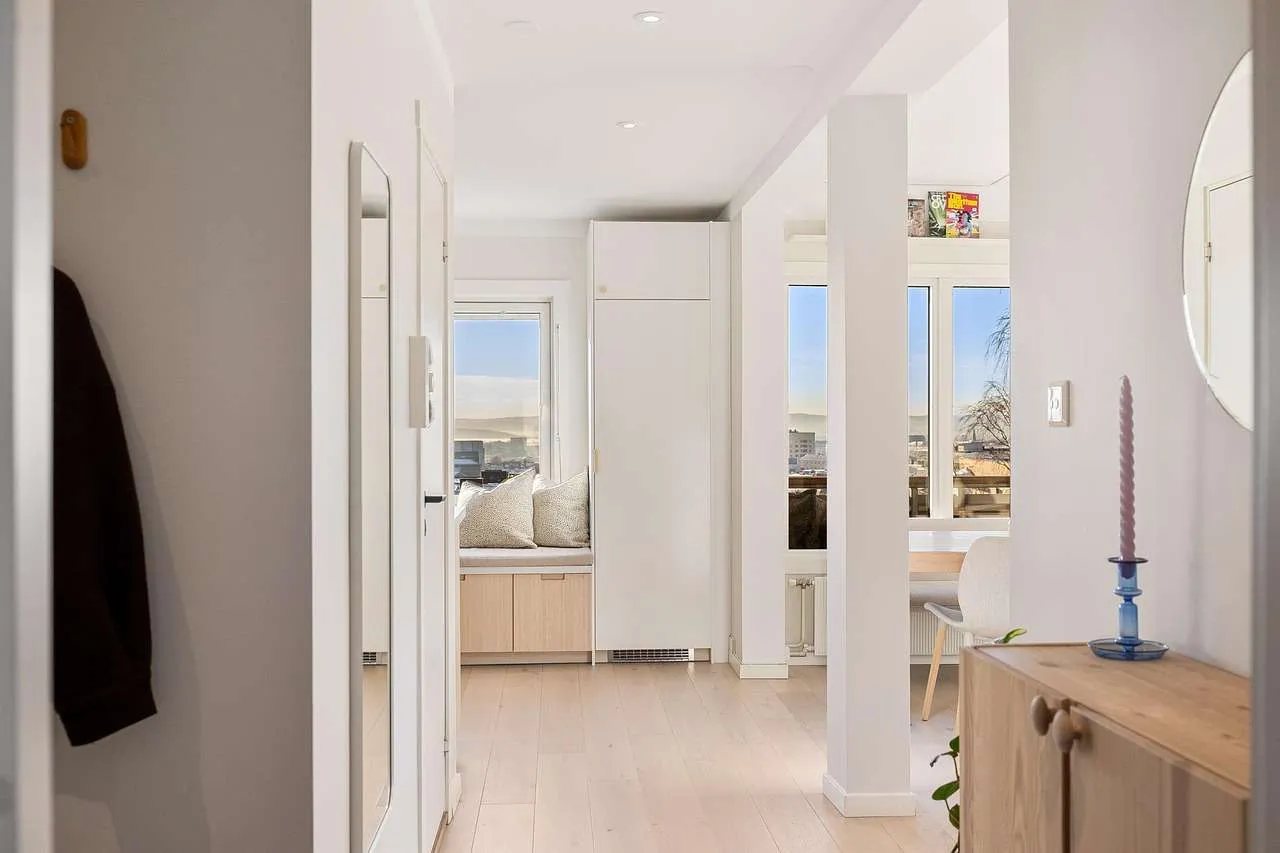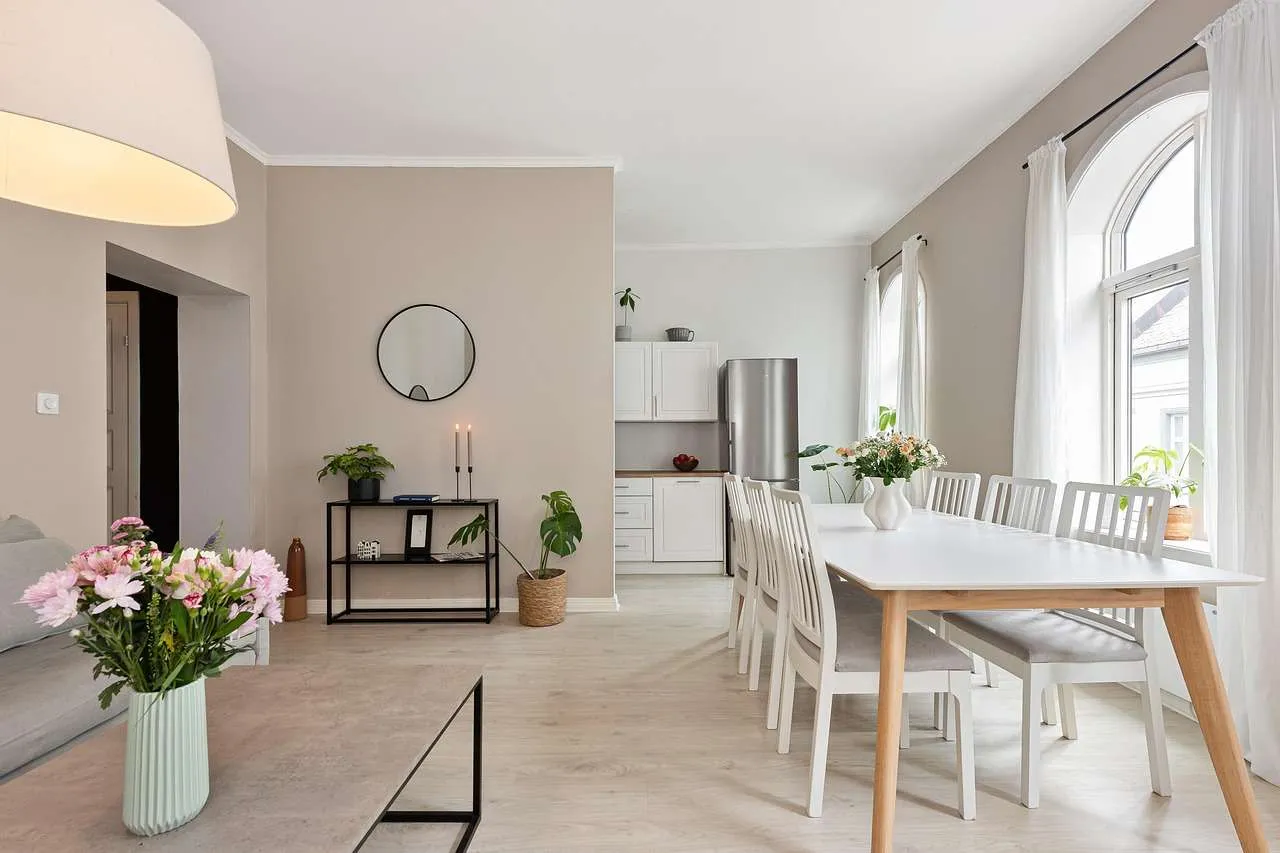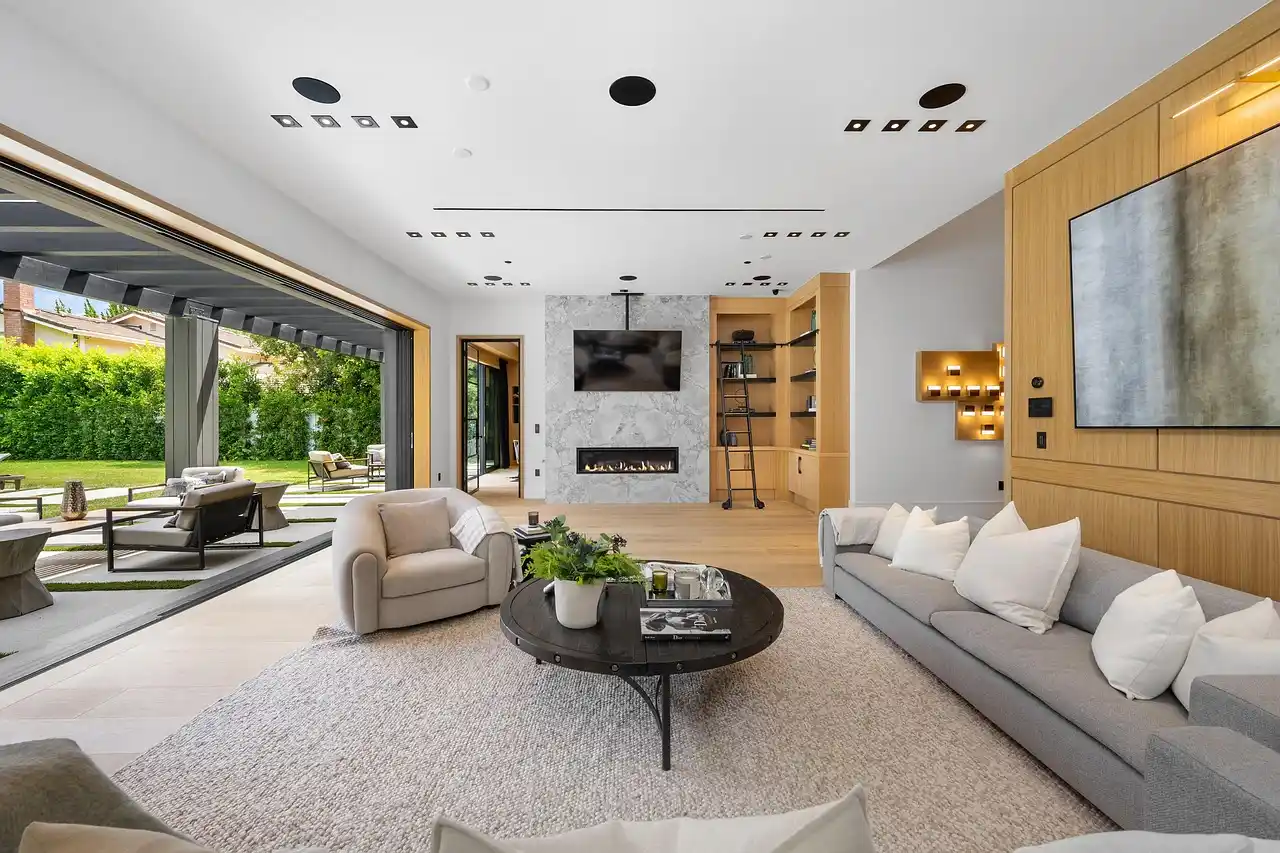
Home window tinting is the process of applying a thin film to interior glass to reduce heat, block UV rays, and control glare. For homeowners, the right tint can lower energy bills, protect furnishings from fading, and improve comfort year-round. Achieving reliable results requires understanding film types, performance metrics, and selecting a trusted installer with proper licensing and warranties. This article explains how home window tinting works, what to expect from installation, and how to decide which film fits your climate, style, and budget.
What is home window tinting?
Window tinting uses a dyed, metalized, ceramic, or hybrid film bonded to the glass. The film adds a protective layer that filters sunlight, reduces infrared heat, and can provide daytime privacy. It is installed by trained technicians who evaluate the glass type, frame condition, and solar gains to determine the best shade and type for each window.
Benefits of home window tinting
- Energy savings: Lower cooling demand in summer and reduced heat transfer in winter when combined with proper sealing.
- UV protection: Most films block up to 99% of UV rays, protecting furniture and flooring from fading.
- Glare reduction: Softer light makes TVs and screens easier to view and reduces eye strain.
- Privacy and security: Tinted glass adds daytime privacy and can deter break-ins by making it harder to see inside.
- Aesthetics and resale value: A uniform, modern look and potential energy-efficiency credits.
Choosing the right film
Choosing a tint is a balance of performance, appearance, climate, and budget. Consider local regulations on tint darkness, the number of south-facing windows, and the orientation of your home. Look for films with a durable warranty, chemical resistance, and a reputable installation partner. The installer should measure the glass, perform a dye or film test, and provide written specifications and energy performance data.
Film types
Dyed film
Dyed film absorbs heat and reduces glare at a lower cost. It tends to be darker initially but can fade or change color over time. It offers privacy and moderate UV protection but may not block infrared heat as effectively as other options.
Metalized film
Metalized films contain tiny metallic particles that reflect heat and add strength. They provide strong infrared rejection and glare control, but they can create a metallic look and may interfere with certain electronics and remote signals in some installations.
Ceramic film
Ceramic films are non-metallic and offer high UV rejection, excellent infrared control, and clear aesthetics. They preserve signal reception for phones and devices, maintain color fidelity, and typically carry longer warranties.
Hybrid film
Hybrid films combine dyed and metalized layers to balance price, performance, and aesthetics. They often deliver good glare reduction with fewer signal-interference concerns than pure metalized films.
Installation process
A typical installation begins with a consultation, site measurement, and film selection. Technicians prepare the glass, remove any old films, clean the surface, and apply the tint with precision to avoid bubbles. After application, the film cures and is trimmed for a clean edge. A quality installation includes a post-install inspection to verify even adhesion and full coverage. Expect some windows to be taped and for workers to protect nearby furniture.
Maintenance and care
To prolong film life, avoid abrasive cleaners or scrubbing pads on the film surface. Use mild, non-ammonia cleaners and a soft microfiber cloth. Address any bubbles promptly with the installer's guidance, as improper cleaning or stretching can cause peel-back. Routine checks for fading, edge lift, or discoloration help ensure warranty validity.
Cost and warranty considerations
Prices vary by film type, square footage, and labor. A basic dyed film may be the least expensive option, while ceramic films and high-performance hybrids are more costly but offer greater energy savings and comfort. Most professional installers provide warranties for adhesion, film performance, and fading, typically ranging from 5 to 15 years depending on the product and conditions of use.
Comparison of common film types
| Type | UV Rejection | IR Rejection | Glare Reduction | Aesthetics | Cost | Best For |
|---|---|---|---|---|---|---|
| Dyed Film | Moderate | Low | Moderate | Good initial tint | Low | Basic privacy, budget projects |
| Metalized Film | High | High | High | Metallic look | Medium | Heat control, durability |
| Ceramic Film | Very High | Excellent | Excellent | Neutral, clear | High | Performance with no signal interference |
| Hybrid Film | High | High | Strong | Balanced aesthetics | Medium-High | Versatile options |
In choosing a provider, ask for proof of license, certifications, and customer references. Request a sample with the actual shade and a sun load rating to compare performance across brands. A credible installer should explain warranty terms, post-install care, and what adjustments are covered if the tint does not meet expectations.
Conclusion, home window tinting offers comfort, protection, and energy efficiency when you choose the right film and a reputable installer. By understanding film types, matching them to climate and needs, and reviewing warranties, you can reduce heat, protect interiors, and preserve views for years to come.